By Ebuka Onyekwelu, Ph.D
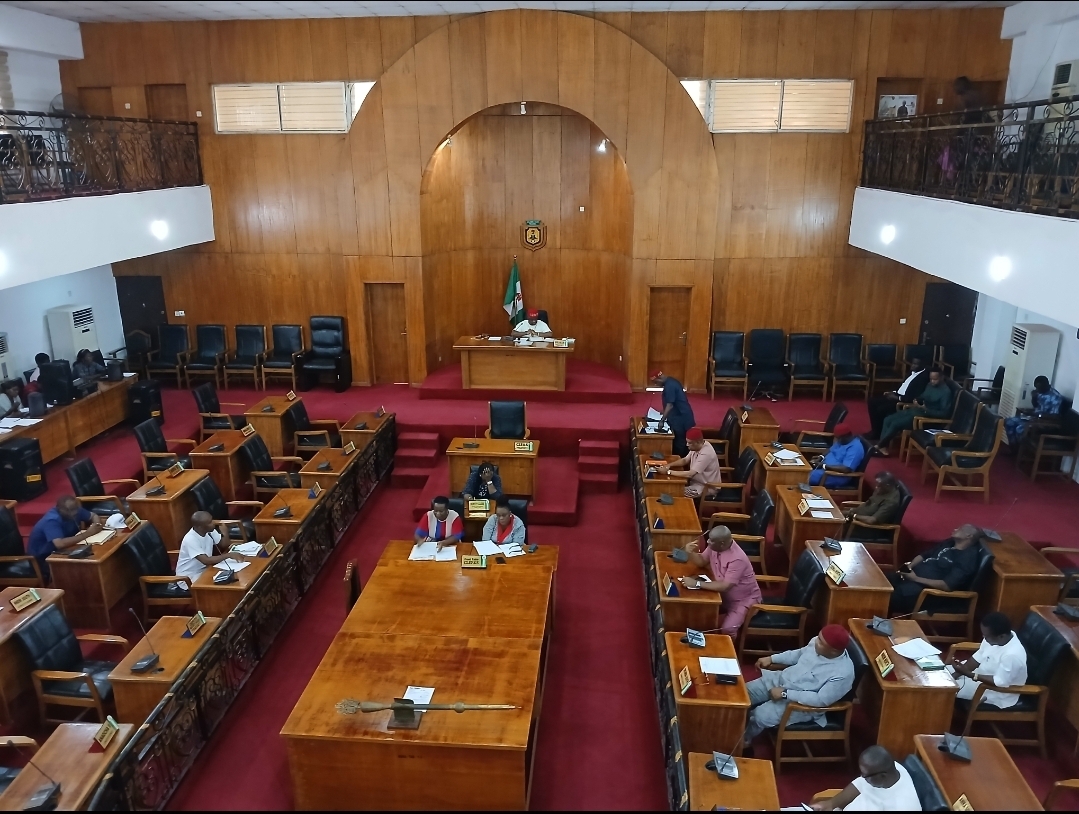
The Government of Anambra State has strengthened regulations in major markets across the state, with the Anambra State Market Bill, 2026, which was passed in the Anambra State House of Assembly on Tuesday. The law for the establishment, regulation, and management of markets and for connected purposes, simply called the Anambra State Market Bill, 2026, designated a total of thirty-nine markets in Anambra as “markets of significant economic and security interest.” These markets are cut across at least nine local government areas in Anambra State, but broadly grouped into seven as follows: Aguata one, Awka one, Oyi one, Idemili one, Nnewi one, Ogbaru one, and Onitsha one. Some of the markets categorized include; Nkwo Igboukwu, Nkwo Umunze, Eke Ekwulobia, Eke Awka, Eke Amawbia, Odera Market, Uwakwe Ukaegbu, Cosmetic/Provision Market, Ogbunike, Electrical Market, Obosi, Building Materials Market, New Auto Spare Parts Market, New Motor Tyre and Tube Market, Nkpor Main Market, Mgbuka Obosi, NASPA Nnewi, New Motor Spare Parts Market Nnewi, Agba Edo Market Nnewi, Building Material Market Nnewi, Ogbaru Main Market, Electronics Market Ogbaru, Fruits and Vegetable market, Abada International Market, Onitsha Main Market and environs, Independent Market, Ochanja Central Market, Ose Okwuodu, Ogbogwu Market, GBO market, Marine Modern Market, Otuocha Market, Aguleri Timber Market, among many others.
According to Section 4, (2), of the new law, “The Governor may by order under his hand, designate as an ‘area of significant economic and security interest’, any other market which by virtue of its size or the nature of business conducted therein, significantly contributes to the economy of the state.” This suggests that many more markets might be added to the already categorized markets across the state, if the need arises.
Clear provisions of the law were explicit on its intent to eliminate any influence of criminal groups or non-state actors over Anambra state in any way or means imaginable. Section 4 (2) a, b, c, d, and subsection 3 of the law frowns at any attempt by any trader or market to comply with directives by any “group of persons proscribed by law or court in Nigeria” or traders/markets that “appear to be giving effect to or complying with any sit-at-home order imposed by any person or group of persons”, or markets that “appears to be used for any criminal activities,” among others. The law made explicit provisions that emphatically outlaw any form of compliance with orders or directives by non-state actors in any market across Anambra State.
Different studies show a striking relationship between markets in the Southeast and thriving agitation by Biafran agitators under the aegis of IPOB. It is not a mere coincidence that the IPOB-led Biafra agitation has especially been disruptive in Anambra state, with multiple markets that command enormous commercial activities, and then following from a distance is Abia state, also with a sizeable commercial activity. Compliance by traders to the orders of non-state actors who call for regular sit-at-home energizes the group, thereby makes governance more difficult as lawlessness thrives.
The new law made provision for proper documentation of traders in markets of significant economic and security interest across Anambra State, as well as forbade traders from complying with the orders of non-state actors. Section 9 (1) a, and b, of the law provides that “Any owner or proprietor of a business who gives effect to any sit-at-home order imposed by any person or group of persons…without any lawful excuse, takes instructions as to when it will open or close his business…commits an offence and is liable upon conviction, to an imprisonment for a term not exceeding three years or to a fine of not more than twenty million Naira, or both.”
With this law coming days after the inauguration of Governor Soludo for a second term in office as Governor of Anambra State, it is clear that the governor is determined to pursue law and order as the foundation of his vision for a livable and prosperous homeland.