By Ebuka Onyekwelu, Ph.D
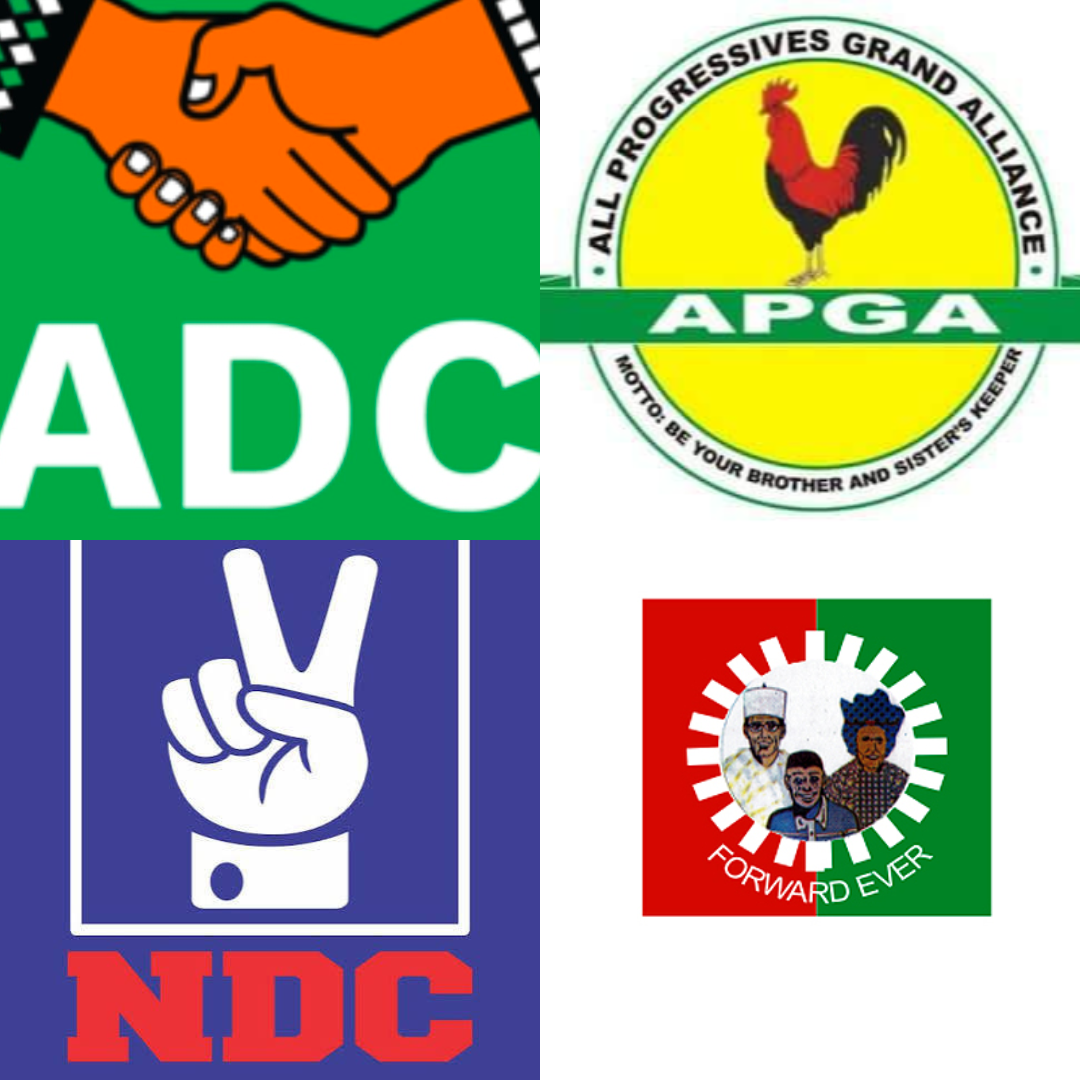
With party registers set for closure within the week, the last might have been heard of defections among Nigeria’s opposition figures. First, the Labour Party – LP, which emerged as the new third force in Nigeria’s political space because of its performance in the 2023 General Election, was at the receiving end. With Peter Obi’s exit, late last year, many lawmakers elected on the platform of the party in 2023 also exited the party. Earlier, a significant number had exited the LP and joined the ruling All Progressives Congress – APC, but Obi’s exit was dramatized as a final blow on the LP. Yet, the only governor produced by the party in the 2023 election season, Governor Alex Otti of Abia State, is still in the LP. Only a few days ago, Senator Enyinnaya Abaribe defected to the LP. Contrary to insinuations, the LP remains a major opposition party in Nigeria.
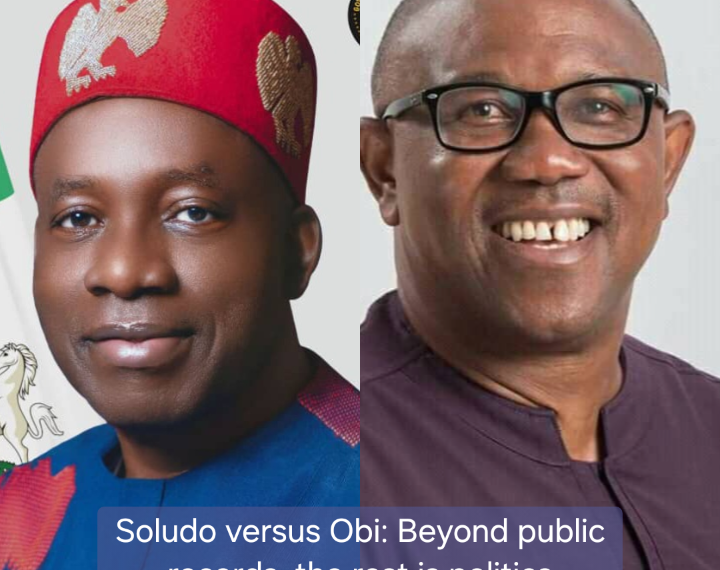
After joining a national coalition on the platform of African Democratic Congress – ADC, and spending about five months in the party, Peter Obi again, resigned his membership of the ADC and moved to Nigeria Democratic Congress – NDC, with Dr. Rabiu Kwankwaso, former governor of Kano State and founder of the New Nigerian People’s Party – NNPP. This action has been subjected to various analyses and examinations by so many Nigerians. On the one hand, some see it as a mark of leadership failure on Obi’s part because he cannot withstand pressure, they argued. Some argued that he cannot work with others to “rescue Nigeria.” Yet, others see it as a major attribute of Obi’s politics because he doesn’t want to compete, as it is the tradition in politics. But for Obi’s supporters, they see it as a verdict of disrepute on the ADC, Atiku Abubakar, a former Vice President of Nigeria, and other members of the coalition. For them, Obi’s move is the smartest thing to do to unseat President Tinubu and his party, the APC.
However, the fact is that with the opposition divided against itself, Nigeria’s incumbent, Tinubu, would most likely be returned with a massive vote across the entire country. Any attempt to unseat an incumbent president without a national coalition looks like a vote of confidence by the opposition on the ruling party to continue. President Tinubu and his party, APC, are likely to secure big votes even from the Southeast, Peter Obi’s zone, in next year’s Presidential Election. Opposition parties in the Southeast zone like LP and the All Progressives Grand Alliance – APGA, which control Abia and Anambra States, with State and Federal legislative seats, will work for the APC and President Tinubu’s re-election. This will cause a shift from the 2023 election outcome.
With Nigeria’s opposition pursuing various narrow interests, it is clear that they do not intend to remove the incumbent President. Peter Obi’s exit from the national coalition, though heralded as the demise of the ADC by some, especially Obi’s supporters, the fact is that the ADC would likely still perform better than Obi’s new party, NDC. Even with Obi’s exit, ADC still retains its national colouration. The party only lost its sizeable Southeast appeal. With Kwankwaso’s exit as well, the party also lost its appeal in Kano. Southeast is Obi’s major base, while Kano is Kwankwaso’s major base. But that would be all. Regrettably, the APC can win the Presidential Election in Nigeria without a single vote from the Southeast zone. Conversely, the APC can hardly fail to secure sizeable votes from Kano State. This is based on the performance of the party since the 2015 General Elections.
A careful look shows that while many have joined Obi in his new party from the Southeast, there are many leaders of the ADC who have remained in the party and are working for the ADC. Many of those who followed Obi from LP to ADC did not join him in the new party. They remained in the ADC and have resolved to work for the ADC. Some of Obi’s most experienced and skillful strategists have remained in the ADC. The most crucial point here is that Obi’s movement from party to party makes him lose supporters and serious-minded team members. With Peter Obi’s allies scattered in different other parties, especially LP and ADC, now focused on their own agenda for 2027, it is doubtful that he is going to benefit politically from his frequent change of parties.
The 2027 General Election might seriously diminish Obi’s relevance, which could have been sustained under a national coalition win or lose. But, by joining the NDC, Obi had chosen an unlikely path in pursuit of his presidential ambition, with no clarity as to what the party might hold for his aspiration in the future. The popular thinking among Obi’s supporters that the only thing that matters is for voters to vote for Obi in any party on Election Day seriously undermines the institutional thinking behind party infrastructure and election management. The thinking that an election is simply a matter of voting for any candidate in any party underestimates the essence of party structure, and this is unrealistic within the election management ecosystem.
In the end, Nigeria’s opposition parties are not ready for a contest that is capable of removing the incumbent in next year’s election. It is also conceivable that moving forward, the ADC might still emerge as Nigeria’s major opposition political party given its national composition, which is still largely intact despite Obi and Kwankwaso’s exit.