
By Ebuka Onyekwelu, Ph.D
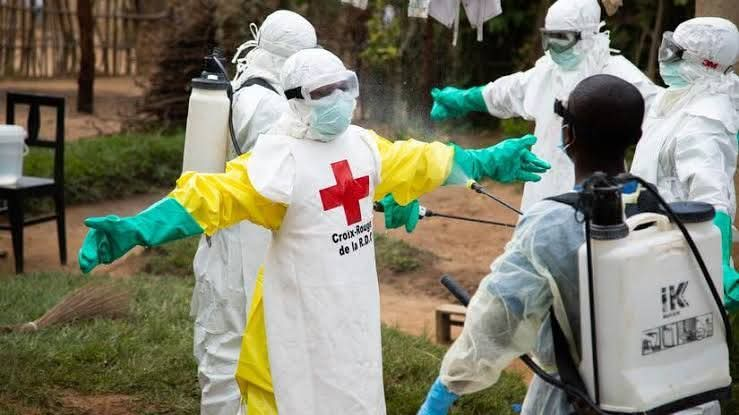
No fewer than 65 people have died in the Democratic Republic of Congo in a recent Ebola outbreak in the northeastern part of the country. According to the African Centres for Disease Control, there are over 240 confirmed cases, raising fears that the virus might soon become a continental health challenge. The Ebola virus is considered a dangerous infection because of its fast rate of transmission, high rate of fatality, and because there is still no known cure for the disease.
Between 2014 and 2016, many African countries were affected by the virus, including Nigeria and other parts of West Africa.
There are growing concerns that the virus could spread across the border of Congo, forcing its neighbours, Uganda and Sudan, to hold a regional emergency health meeting to ascertain the seriousness of the situation as well as prepare for a coordinated response. However, the virus has been severe in the Ituri area of Congo, but there are also reported infections in Bunia city, Congo.
Ebola is a public health emergency, and this outbreak is a cause for worry. Governments in Africa must respond firmly to avert a serious emergency that could result in a higher number of infections, which will increase the rate of fatality.