By Ebuka Onyekwelu, Ph.D
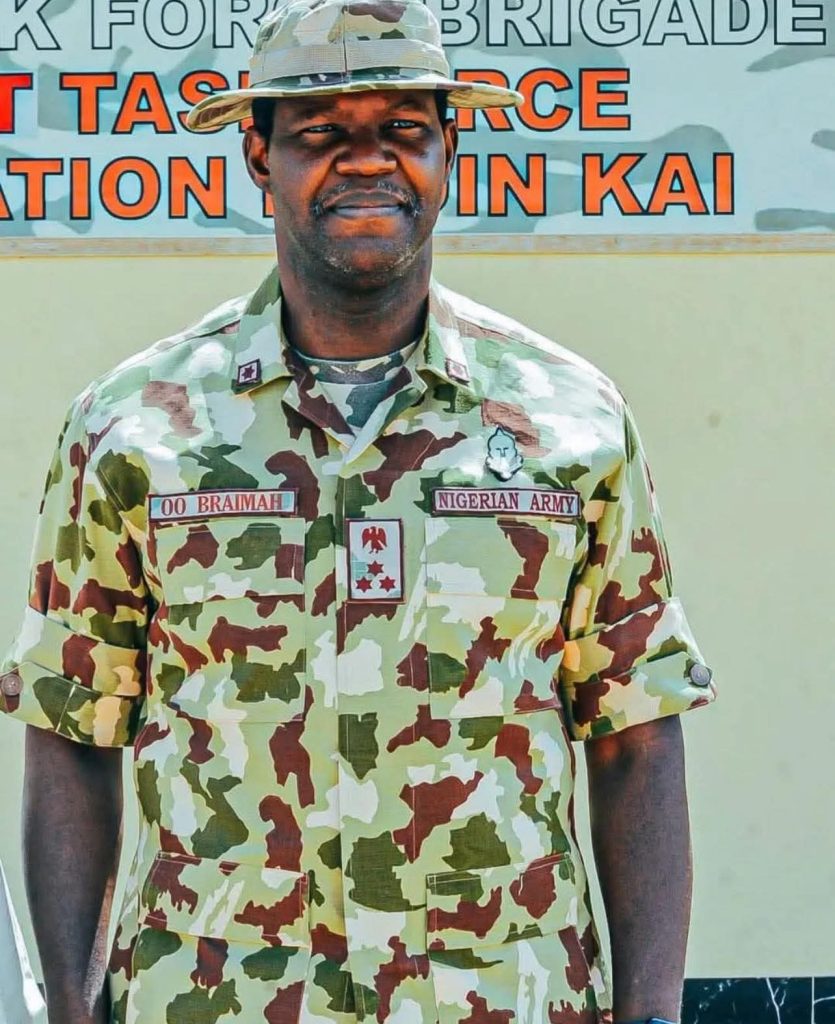
There are concerns that Nigeria’s security challenge has deepened over the past few months, as armed gangs, emboldened, have intensified attacks in different states of the Northwest, Northeast, and Northcentral geo-political zones of the country. Between October 2025 and April 2026, Nigeria lost no fewer than four senior military men to the war on terrorism: Lieutenant Colonel SI Illiyasu, Lieutenant Colonel AS Paiko, Brigadier General Musa Uba, and Brigadier General Oseni Braimah. Within the same period, the West African most powerful army has lost hundreds of soldiers and tens of commissioned officers to armed criminals across the country. A few days ago, the Embassy of the United States of America issued a travel advisory cautioning American citizens against non-emergency travel to Nigeria. About two days later, the Embassy announced the closure of its Abuja office for attending to visa applicants, signaling rising concerns about the rate and pace of insecurity. These developments are deeply troubling.
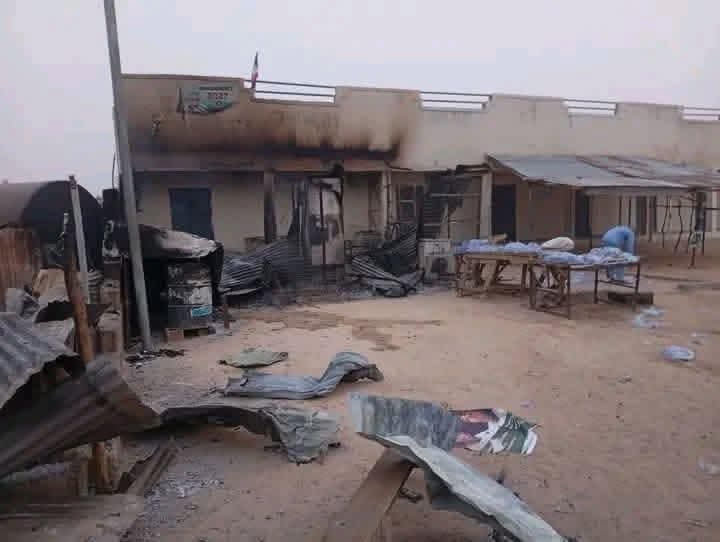
As the 2027 General Election in Nigeria draws closer, the attacks by armed gangs and jihadists have increased, showing a similar pattern since 2013/2014, just before the 2015 General Election.
Nigeria’s security challenge is complex and reflects an intersection between religious extremism, agitation, and years of missed opportunities. Criminality in Nigeria involves armed non-state actors, largely called bandits in the North, Islamic fundamentalists linked to ISWAP or Boko Haram, largely referred to as jihadists or terrorists. These groups undertake all kinds of attacks on their targets throughout Northern Nigeria. In Southwestern Nigeria, the security challenge involves militant herdsmen, otherwise called Fulani herdsmen, who launch indiscriminate attacks on communities. This situation, a few years ago, forced the governors of the six states of the zone to form a regional security outfit in 2020 called Amotekun. For the Southeast, the major challenge initially came from herdsmen who had confrontations with farmers in different parts of the zone. However, since 2021, the Southeast was faced with attacks by a group called “Unknown Gunmen”, suspected to be the same as the Eastern Security Network, ESN, the military wing of the Indigenous People of Biafra – IPOB. However, efforts by the governor of Anambra State, Professor Charles Chukwuma Soludo, have completely decimated the group, restoring order and public safety. This has culminated in the abolition of the illegal Monday sit-at-home formerly instituted by IPOB. Imo state Governor, Senator Hope Uzodimma, has also put up a good fight against criminal agitation that was fuelling violence and insecurity in Imo state. This is linked to the call for the investigation of Owerri Tiger Base, a unit of the Nigeria Police Force in Owerri, charged with fighting crime and criminality in Imo state. In the South-South zone, kidnapping for ransom by armed groups, especially in places like Edo State, has since become distressing to commuters who are randomly kidnapped for ransom, while some are killed.
Nigeria has been battling terrorism since 2009. It has been 17 years since the war on terrorism in Nigeria; the terrorists have become more daring, and the crisis has festered across the country.
With the rising security tension in the Northern parts of Nigeria, it is still unclear what the situation portends for Nigeria in its election next year.
In the meantime, there are heavy accusations of sabotage against the military fighting insurgents in Northern Nigeria. There are also accusations of corruption and diversion of funds earmarked for the military. There are issues relating to the motivation of soldiers on the war front, among many others. In the end, these are governance issues both at the national and regional levels of government in the country. Given the roles played by the Anambra State Governor in smoking out IPOB insurgency, is it still justified to overlook Northern Governors who are not doing enough to restore sanity and safety in their states?
The recent audacious attacks by armed groups require urgent action. Videos of terrorists brandishing collected ransom money and assault weapons or boldly travelling freely in communities in the Northern parts of Nigeria, fully armed, smack only of the existence of a state within the Nigerian state. There is no better impression than that Nigeria is negotiating its sovereignty with criminals. Given that impression, nothing else can matter if order is not restored.