By Ebuka Onyekwelu, Ph.D
The West African country of Senegal has been hit by a protest, which was triggered by the debt burden. With public debt at 99.67% of the country’s GDP in 2025, now at 132%, the highest in Africa, the political economy of Senegal is fundamentally threatened, with cost-of-living rising above the rooftops.
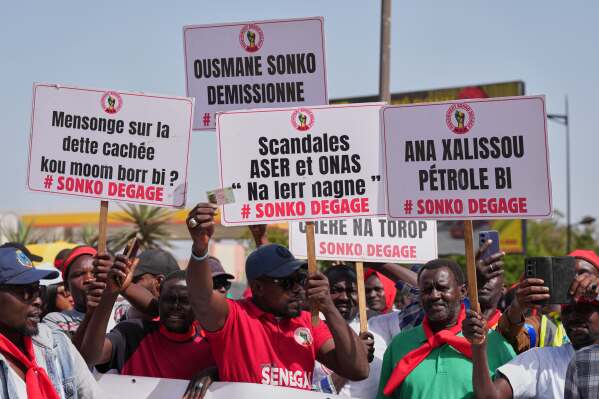
With no solution in sight, hundreds of protesters trooped to Dakar, Senegal’s capital, to register their displeasure with the prevailing economic situation in their country. The protest, organized by the Front for the Defense of Democracy and the Republic, in conjunction with labour unions, particularly the National Confederation of Senegalese Workers, the country’s largest labour union, was well attended, with placards and banners carrying various demands and expectations from the government. Some of the demands include a reduction in income tax and the re-engagement of sacked public workers.
However, the government of Senegal has blamed past governments for mortgaging the future of the country and making it more difficult for them to spend money to boost the economy or give a tax break. This funding limitation also places a limit on the number of workers the country can take and pay. The government instead insists on reforms of government institutions by significantly cutting down redundancy in the public service, which the protesters regard as a broken promise. This points to the gap between politics and governance in Africa, where office seekers make promises that are often very difficult to keep when they get into power.
With over 19 million people, of whom over 70% are below the age of 35 years, Senegal might be facing a real threat to social unrest.
Again, Senegal is faced with the difficult choice of reform at a very high cost and discomfort to the citizenry due to missed opportunities over the years.