By Ebuka Onyekwelu, Ph.D
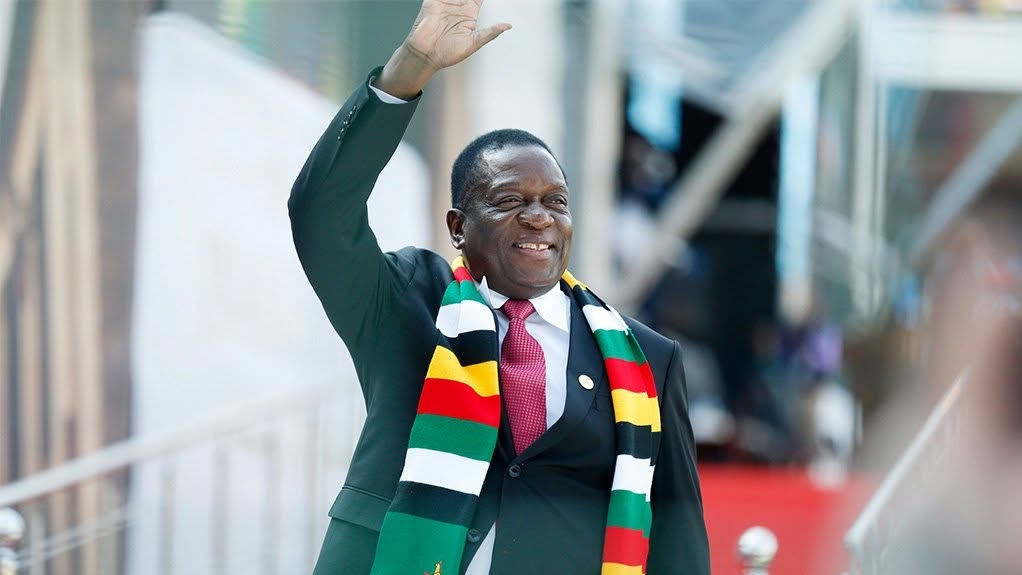
The National Assembly of Zimbabwe has overwhelmingly passed a proposed legislation that extends the tenure of President Emmerson Mnangagwa, as well as members of the country’s parliament and all other elected officials of the country. With only about 187 votes required from the lawmakers, the Assembly passed the new bill with 218 votes, showing strong support for the lawmakers. This effectively means that the tenures of the president and other elected officials in Zimbabwe have now been extended from five years to seven years.
With this development, Zimbabwe will not hold any election till 2030, if, as expected, the same bill scales through the country’s senate in the coming days. Before this alteration, the country was billed to have an election in 2028, which would be the second election since the exit of its erstwhile leader, Robert Mugabe, who was ousted by the military, but eventually passed on in 2019.
President Emmerson Mnangagwa, a mentee of former President Robert Mugabe, assumed power in 2017 and was returned in the 2023 Presidential Election. Mr. Mnangagwa has now governed the South African country for nearly a decade. By the time the country goes to the polls in 2030, he would have governed for thirteen years.